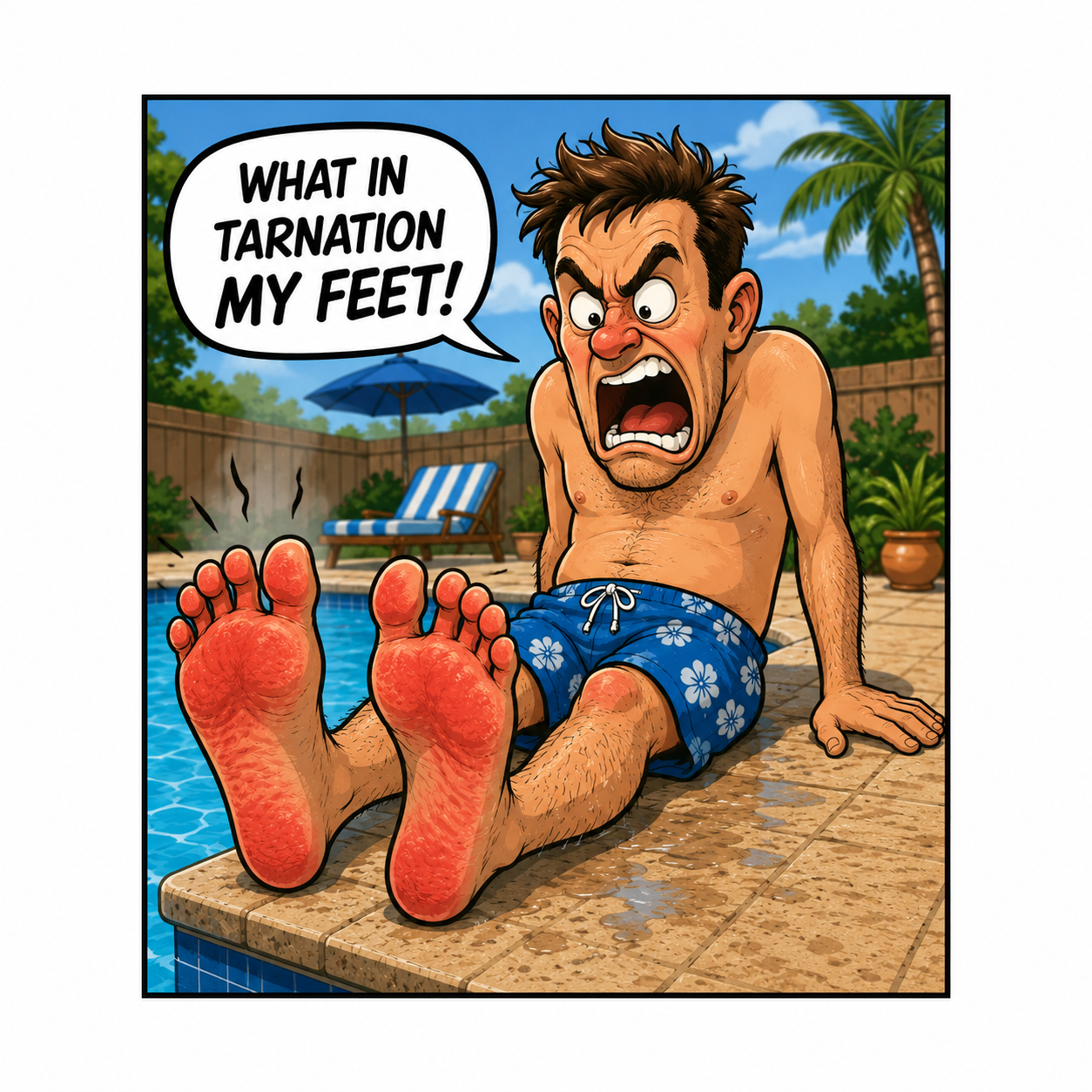
A pool surface rarely becomes rough overnight.
In most cases, homeowners are noticing gradual surface deterioration that has finally reached a tipping point. Sometimes the roughness was already there and became more noticeable after cleaning or calcium scale breaking loose. Other times, the pool surface has been slowly etched or damaged over years of chemical imbalance or aggressive cleaning.
After looking at pools for decades, one thing becomes clear: "suddenly rough" usually means the underlying problem has been developing for a long time.
The Most Common Causes of a Rough Pool Surface
1. Gradual Chemical Etching Over Time
One of the most common causes of rough pool surfaces is long-term chemical etching.
Low pH water slowly dissolves cementitious pool finishes over time. This process can take years, but eventually the smoother top layer wears away and exposes a rougher texture underneath. In plaster or marcite pools, this often feels like sandpaper on your feet and hands. The pool did not suddenly fail overnight — the finish was gradually deteriorating until it became noticeable.
Common causes include:
- Chronically low pH
- Poor alkalinity control
- Aggressive acid use
- Neglected water chemistry
Florida pools are especially vulnerable because many pools operate year-round and experience constant chemical exposure.
2. Calcium Scale Broke Loose
Sometimes a pool surface actually feels smoother than it truly is because calcium scale has coated the finish for years. When that scale finally breaks loose, the rough underlying surface is exposed underneath. Homeowners often think the cleaning caused the roughness when in reality the cleaning simply revealed the existing deterioration.
This commonly happens after aggressive brushing, chemistry correction after years of imbalance, or scale naturally flaking off over time. The roughness was usually already there beneath the scale.
3. Aggressive Brushing Damaged the Surface
This is more common than people realize. Many homeowners aggressively attack stains or black algae using stainless steel wire brushes. While wire brushes can sometimes be appropriate on certain hard plaster surfaces, they can also permanently damage aging finishes when overused.
We have seen pools where repeated aggressive brushing wore down the surface, exposed aggregate, scratched aging finishes, and accelerated existing etching. In some cases, the brushing itself is not the root problem — the surface was already weakened and the brushing simply sped up the failure.
4. Low pH Slowly Destroyed the Finish
Pool water chemistry matters more than most people realize. When pH remains low for extended periods, pool finishes can literally dissolve over time. This process is slow enough that homeowners usually do not notice it day-to-day — then one season they suddenly realize the pool feels rougher than it used to.
Low pH damage often causes:
- Surface etching
- Rough texture
- Fading
- Increased staining
- Premature finish wear
This is especially common in pools with poor maintenance history or improperly managed chemistry.
5. Chlorine Puck Damage
Chlorine tablets are highly acidic. When tabs are improperly stored in skimmer baskets while the circulation system is off, extremely concentrated acidic water can sit against the pool surface and plumbing system for long periods.
Over time, this can contribute to localized etching, finish discoloration, surface deterioration, and equipment damage. We commonly see this around skimmers and return areas.
6. Scale Removal Exposed the True Texture Underneath
A heavily scaled pool can hide surface deterioration for years. After the scale is removed, homeowners are often shocked by how rough the pool suddenly feels. In reality, the scale was masking the condition of the underlying finish.
This is particularly common in older marcite pools where the original smooth cream layer has worn away, aggregate exposure has already occurred, and years of chemistry imbalance have damaged the surface. The cleaning did not necessarily create the roughness — it exposed it.
7. Algae or Biofilm Was Hiding the Damage
Organic buildup can temporarily soften how a pool surface feels. Once algae, biofilm, or heavy buildup is removed, the true condition of the finish becomes easier to feel. Many homeowners notice roughness immediately after algae removal, deep cleaning, shocking the pool, or correcting neglected chemistry.
Again, the surface damage itself usually existed beforehand.
When Is a Rough Pool Surface a Problem?
A rough surface is not always a structural emergency, but it is often a sign the finish is aging or deteriorating. Left unaddressed, rough surfaces can eventually lead to increased staining, algae retention, harder maintenance, discomfort on feet and skin, accelerated wear, and deeper surface failure.
In severe cases, continued deterioration can eventually expose underlying substrate issues or contribute to delamination problems.
Can a Rough Pool Surface Be Fixed?
Sometimes. Minor roughness can occasionally be improved through proper chemistry correction, calcium management, polishing, or localized repairs.
However, heavily etched or deteriorated surfaces usually require resurfacing to fully restore smoothness and durability. The key is identifying whether the issue is scale buildup, surface contamination, cosmetic wear, or actual finish deterioration — those are very different problems with very different solutions.
Final Thoughts
Most pools do not become rough overnight. What homeowners experience as "sudden roughness" is usually years of gradual chemical wear, hidden deterioration, scale loss, or aggressive cleaning finally becoming noticeable.
A properly maintained pool surface should remain smooth, comfortable, and easy to clean for many years. But once deterioration begins, the best long-term solution is often addressing the underlying cause before the damage becomes more severe.
If your pool surface has become rough, uncomfortable, or difficult to maintain, request a free estimate and we'll assess the condition and walk you through your options.