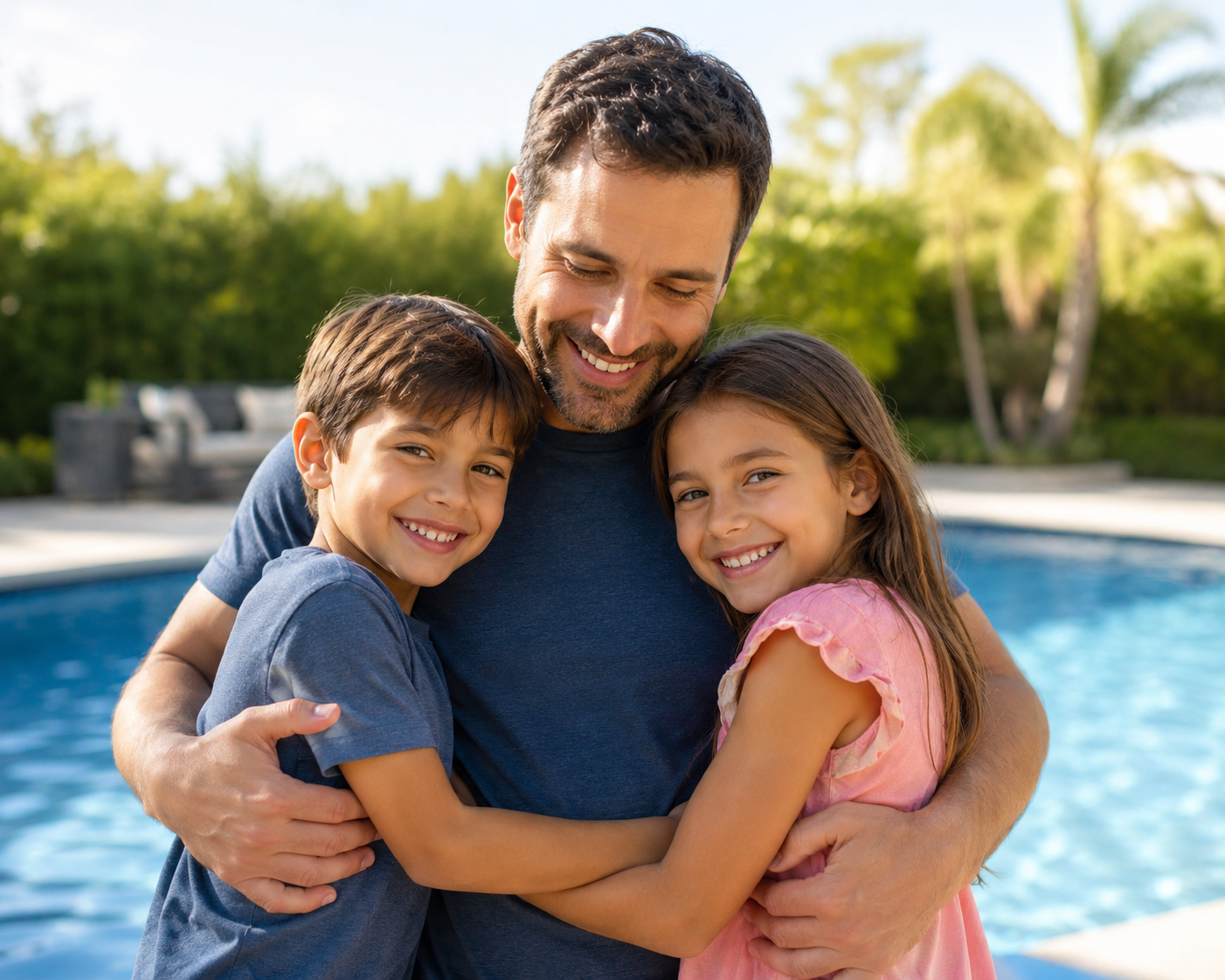
Owning a swimming pool can be one of the best parts of living in Florida. Family time, cookouts, exercise, relaxing after work, watching the kids grow up around the water. We love pools for a reason.
But pool ownership also comes with real responsibility.
At Fibre Tech Inc., we've spent decades around residential and commercial swimming pools. We've seen firsthand how quickly a fun afternoon can turn into a serious emergency when pool safety gets overlooked.
Years ago, one of our employees experienced every parent's nightmare after losing his son in a drowning accident. Since then, pool safety has never been just another checkbox item for us.
This article is not about fear. It's about prevention, awareness, and building safer pool environments for families, guests, and pets.
The Statistics Are Real
According to CDC Drowning Prevention Data:
- More children ages 1–4 die from drowning than from any other cause of death
- Drowning is the second leading cause of unintentional injury death for children ages 5–14
- Every year in the United States, there are over 4,000 unintentional drowning deaths
Those numbers are not meant to scare people. They're meant to reinforce that pool safety deserves the same level of attention as seatbelts, smoke alarms, or locking up firearms.
Small habits save lives.
Layers of Pool Safety Matter
The biggest mistake many homeowners make is relying on only one safety measure.
Real pool safety works in layers. No single barrier is foolproof — but multiple layers together dramatically reduce risk.
1. Pool Fencing and Self-Latching Gates
A proper pool fence is one of the most effective pool safety tools available.
Ideally:
- Gates should self-close and self-latch
- Latches should be out of reach of small children
- Fence gaps should prevent squeezing through
- Access points should stay closed even during parties or family events
Most accidents happen during brief lapses in attention. Physical barriers buy time — and time is everything.
2. Active Supervision
There is no substitute for active supervision.
Not sitting nearby on a phone. Not assuming another adult is watching. Not relying on floaties. Not assuming a child knows how to swim.
Drowning is often silent and fast. It rarely looks dramatic the way movies portray it.
Designated supervision matters, especially during gatherings where responsibility becomes psychologically "shared" between multiple adults. Someone should always be the designated watcher — not everyone at once, which usually means no one.
Pool Safety for Dogs
Another one of our employees, Darrell, lost his English bulldog to drowning. The dog had been outside alone for ten minutes.
A lot of homeowners never think about pet pool safety until something happens.
Dogs can absolutely drown in swimming pools — especially older dogs, short-legged breeds, dogs with arthritis, anxious dogs, and puppies unfamiliar with water.
The good news is this risk can often be reduced dramatically with early exposure and training.
Teach Dogs Where the Pool Exit Is
One of the most important things you can do is repeatedly teach your dog where the pool steps are located. Do not assume they'll find them instinctively — especially in a panic.
- Guide them to the steps repeatedly
- Reinforce the same exit point every time
- Avoid panic situations during first exposure
- Supervise until they consistently understand the exit path
Additional pet safety options include pool escape ramps, shallow tanning ledges, safety skimmers, pet alarms, and perimeter fencing.
Visibility Around the Pool Is a Safety Feature
Landscaping and pool area organization matter more than most people realize.
Overgrown plants, dark corners, cluttered decks, and poor lighting reduce visibility and slow emergency response.
For a safer pool environment:
- Maintain clear sight lines to the water from the home
- Use adequate lighting at night
- Reduce visual obstructions near pool entry points
- Avoid slippery buildup on deck surfaces
- Keep rescue equipment visible and immediately accessible
A clean, organized pool environment improves reaction time during emergencies. That matters more than aesthetics.
Why Pool Maintenance Also Affects Safety
Poorly maintained pools create hazards beyond water quality.
Issues like algae growth, cloudy water, broken drains, damaged handrails, slick surfaces, uneven coping, and failing pool finishes can all contribute to accidents or reduce underwater visibility.
A rough, deteriorating pool surface increases slip risk and makes it harder to see a swimmer in distress. Routine inspections help homeowners catch developing issues before they become emergencies.
Final Thoughts
Owning a pool should be enjoyable, not stressful. Most pool accidents are preventable when homeowners take a layered, proactive approach to safety.
Fences matter. Supervision matters. Training matters. Maintenance matters. Awareness matters.
If this article causes even one family to add a gate latch, teach a dog where the steps are, or stay more alert during a pool party — then it was worth writing.
From all of us at Fibre Tech Inc., stay safe and enjoy your pool responsibly.